The 2nd Edition

UBC CS Student Research Conference

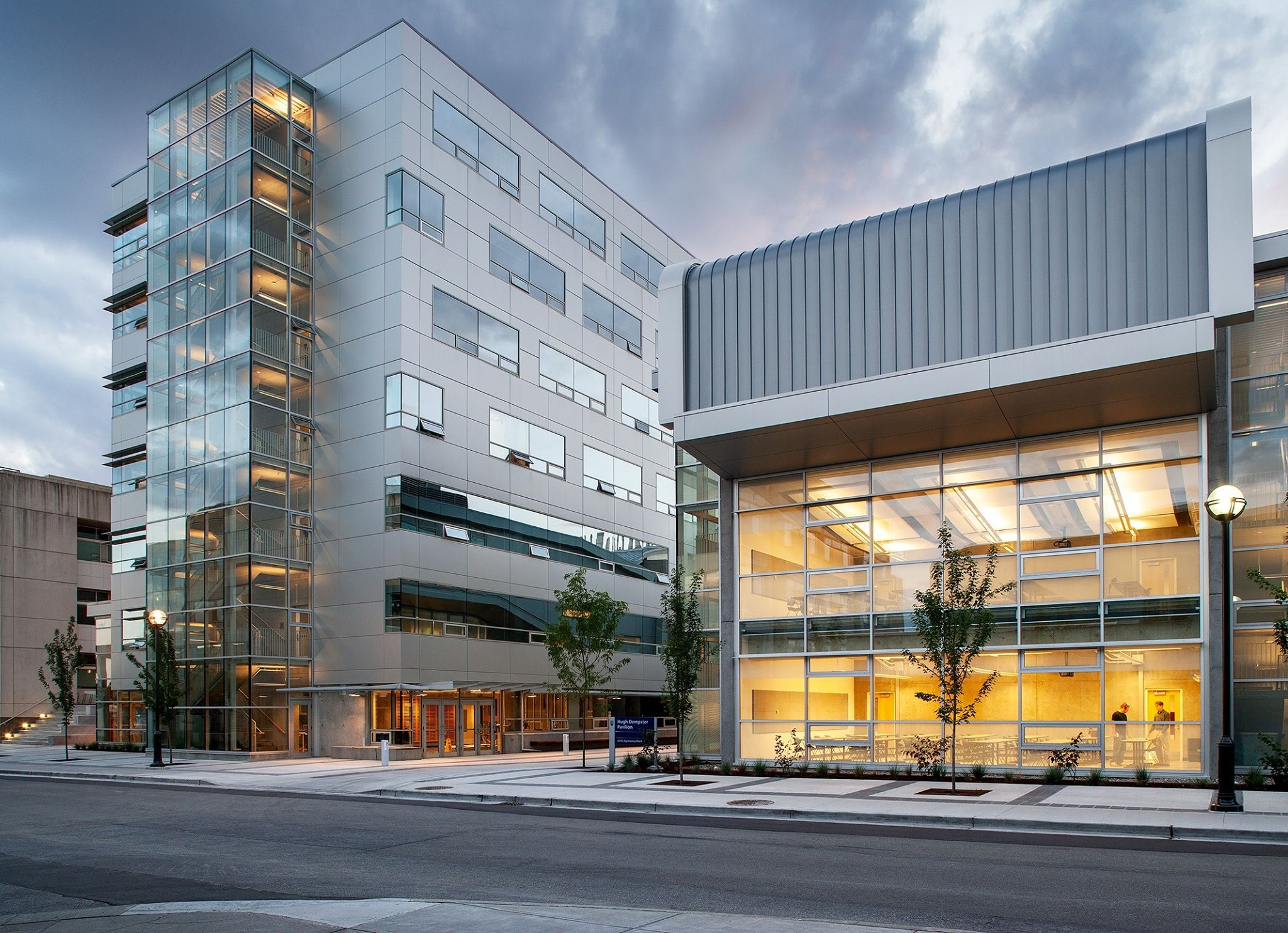
November 6, 2026 at the ICICS/CS building

Brought to you by the UBC CSGSA & CSSS
00 Days
00 Hours
00 Minutes
00 Seconds
CSSRC Banner

About the Conference

The UBC CS Student Research Conference (CSSRC) is back for its 2nd Edition!

Our mission is to celebrate and advance graduate and undergraduate research in computer science by providing an inclusive, professional conference where UBC students can present their work, engage with academic and industry leaders, and build networks that foster innovation and career development. The CSSRC is fundamentally by students, for students, with the goal of empowering students to contribute to and partake in the research community early in their careers.

In early 2026, the conference launched, attracting 20+ student research presentations and 150+ attendees. It featured a poster and paper submission track, with faculty and senior graduate student reviewers, modeled after established conferences. Selected submissions showcased their work during the conference in a poster session, and some winning posters and papers received awards!

Additionally, the event hosted a research career panel, research presentations, and networking opportunities.

We're excited to expand the footprint of the CSSRC and cement it as a yearly premier venue at UBC to elevate and support researchers in the CS community.

We look forward to seeing you on November 6 at the ICICS/CS Building. Feel free to join our Discord if you have any questions!

Program Schedule

8:30 AM – 9:00 AM Registration & Light Breakfast
9:00 AM – 9:15 AM Opening Remarks
9:15 AM – 10:00 AM Poster Session I
10:00 AM – 10:45 AM Keynote by Dr. Hila Gonen
10:45 AM – 11:00 AM Break
11:00 AM – 12:30 PM Student Oral Presentations (Dual-Track)
12:30 PM – 1:30 PM Lunch & Networking*
2:30 PM – 3:15 PM Poster Session II
3:15 PM – 3:30 PM Break
3:30 PM – 4:30 PM Research Career Panel
4:30 PM – 4:45 PM Awards Ceremony
4:45 PM – 5:00 PM Closing Remarks

* Priority goes to registered attendees.
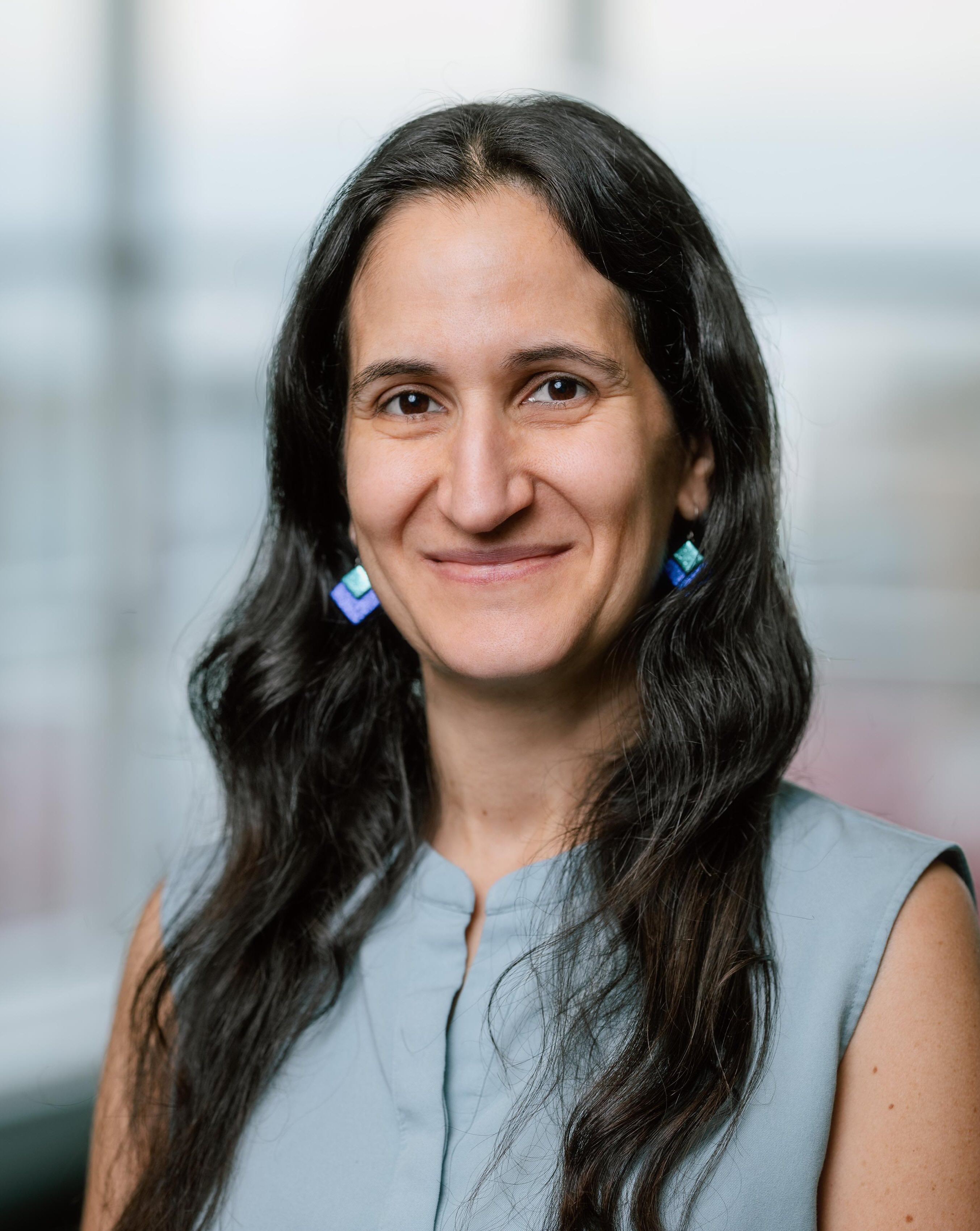
Keynote

Dr. Hila Gonen
Dr. Hila Gonen

Beyond Accuracy: Different reliability dimensions in Language Models

Unreliability remains one of the limiting factors in using language models (LMs) in real-world applications, specifically preventing safe deployment in sensitive domains.

In this talk, Hila will present three lines of work that collectively examine reliability in LMs from different perspectives. First, she will introduce PhantomBench, a new benchmark designed to evaluate models’ ability to abstain when appropriate. PhantomBench consists of non-existing terms and entities carefully constructed to probe whether models can abstain rather than hallucinate plausible-sounding but fabricated responses. Next, she will turn to the phenomenon of semantic leakage, where models leak irrelevant information from the prompt into the generation in unexpected ways, and explore its relationship to bias in model generation. Finally, she will present OMNIGUARD, a novel approach for detecting harmful prompts across languages and modalities.

Workshops

Mara Solen
Mara Solen

Visualization: How Can You Make Yours Better? What Does the Field Look Like?

Visualizations, also known as charts, plots, and graphs, are pervasive in science, industry, media, and elsewhere because of the strength of human perception and pattern recognition. However, designing visualizations that take full advantage of these human systems is not trivial; there are many factors that influence the effectiveness of a visualization, including perceptual accuracy, familiarity, and even user personal preference.

In this workshop, Mara will first describe and use examples to illustrate how you can improve your visualizations by more deeply considering your goals. She will then explain what research in visualization looks like, both in the UBC InfoVis Group and in the broader field. She hopes that this workshop will expand your idea of what charts are and can be, give you a glimpse into the world of visualization research, and show you why researchers with many different backgrounds have chosen to work on visualization!

Mundo AI
Kenneth Wu

Meet Mundo AI: The Data Layer for Perceptual Intelligence

AI models are moving past text and are now expected to understand speech and video as well. However, a lot of what gives real interaction its meaning never shows up in a transcript, like the pause before an answer, an interruption, or a shift in tone. Teaching models to pick up on these signals depends on data that captures them.

In this workshop, Mundo AI co-founder Kenneth Wu first describes what Mundo AI does as a data and research partner to frontier AI labs, and how the company went from UBC to Y Combinator to a team of 55 in Vancouver. He then walks through what Mundo has built, from custom datasets and evaluations across audio, video, and emerging modalities to open research such as TurnBench. Finally, he talks about what working at Mundo looks like and the research, engineering, and program roles the team is hiring for. The workshop offers a closer look at the data work behind today’s AI models and shows where researchers and engineers from UBC can fit in.

Research Career Panel

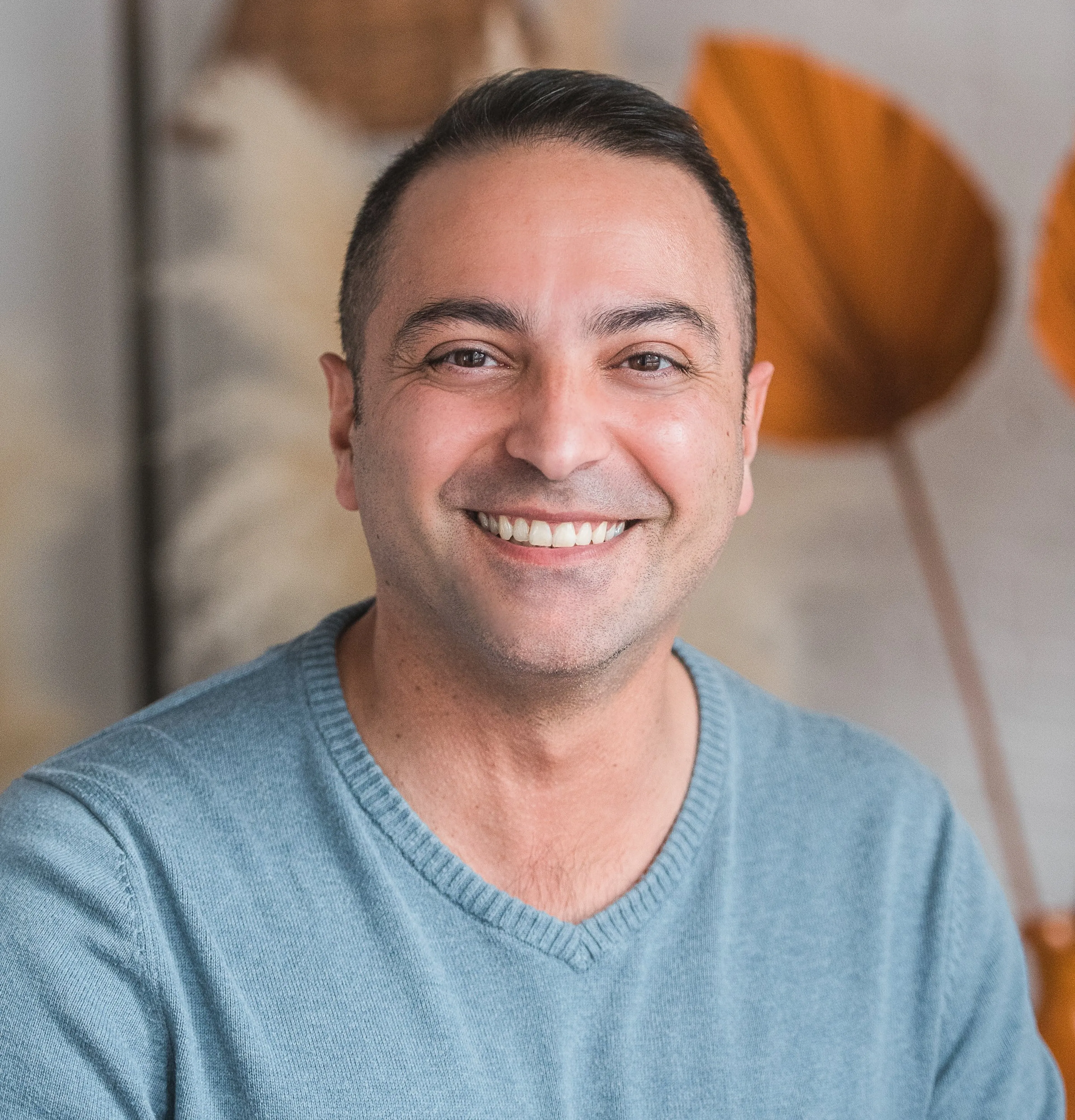
Dr. Kelsey Allen
Dr. Kelsey Allen Panelist

Dr. Kelsey Allen is an Assistant Professor of Computer Science and Psychology at the University of British Columbia, bridging computational cognitive science, machine learning, and robotics.

Her research explores how humans and machines adaptively solve complex challenges through innovative tool use and flexible problem-solving. With a background spanning physics, cognitive science, and artificial intelligence, including a PhD from MIT and research experience at DeepMind, Dr. Allen investigates the computational mechanisms that enable intelligent tool creation and environmental adaptation.

Dr. Payam Mousavi
Dr. Payam Mousavi Panelist

Dr. Payam Mousavi is a Senior Machine Learning Scientist at Electronic Arts (EA), where he applies reinforcement learning and vision-language models (VLMs) to automate quality verification in video games. He also conducts applied research with the Alberta Machine Intelligence Institute (Amii), focusing on reinforcement learning and physics-informed machine learning for industrial applications.

Trained as a physicist, Payam brings over a decade of experience developing AI and machine learning technologies across industries, including manufacturing, aerospace, robotics, and energy. His research interests span computer vision, reinforcement learning, complex dynamical systems, and collective intelligence. He is particularly passionate about bridging fundamental research and practical applications through interdisciplinary collaboration.

Payam holds a PhD in Applied Physics from Simon Fraser University, where his research on industrial terahertz spectroscopy resulted in multiple patents and publications.

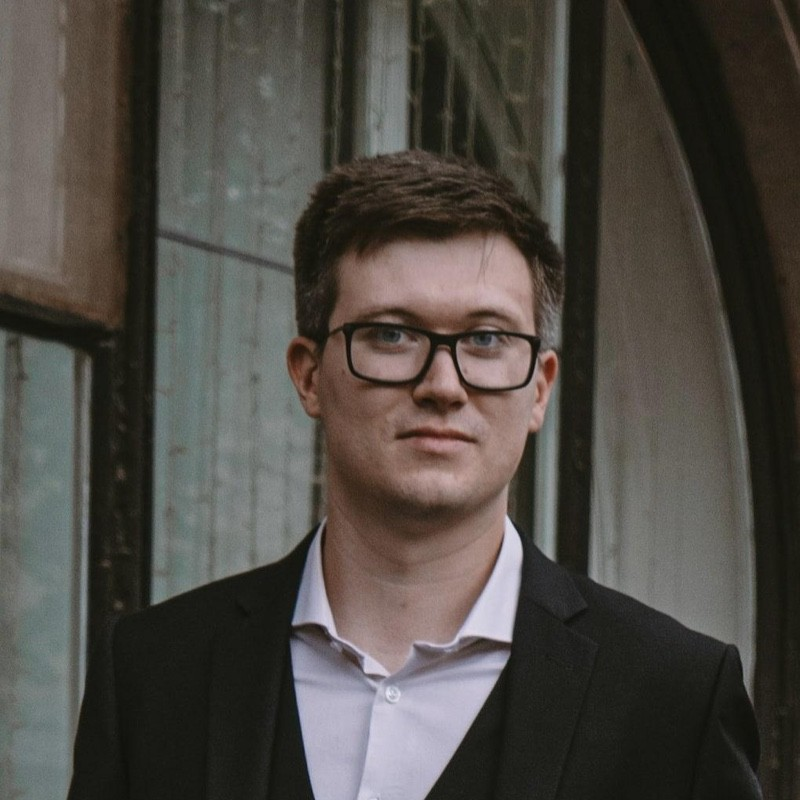
Roman Smirnov
Roman Smirnov Panelist

Roman Smirnov is an Applied Scientist at Mundo AI. His work spans speech models, natural language processing, and large language models, with experience across academic research, technology commercialization, corporations, and startups.

Having worked in different research and engineering environments, he is particularly drawn to Silicon Valley and Y Combinator startups for their challenging problems, opportunities for continuous and rapid learning, and support for creativity. He especially enjoys turning research into products through fast iteration and short feedback loops.

Alongside his industry work, Roman pursues independent research into model behavior, efficient adaptation, and AI safety. He has achieved winning results in multiple NeurIPS competitions and shares his research and practical experience through technical articles, conference talks, and mentoring.

Despite working at a company with “AI” in its name, he prefers to call things “models” or “ML.”

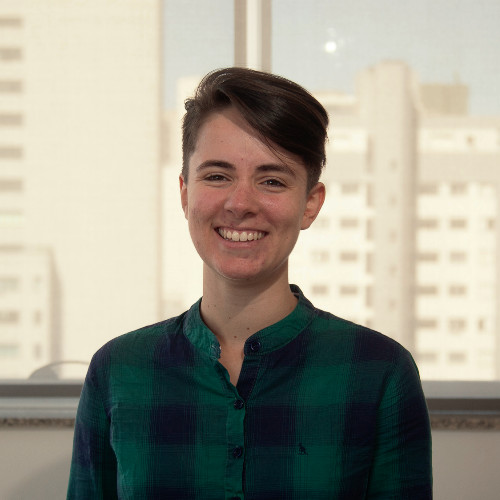
Rubia Guerra
Rubia Guerra Moderator

Rubia Guerra is a PhD student in Computer Science at the University of British Columbia, supervised by Karon MacLean and Margo Seltzer. Her research explores human-computer interaction, haptics, affective computing, and AI, with a focus on the connections between touch and emotion.

Rubia led the first edition of the CS Student Research Conference and returns as moderator of this year’s Research Career Panel.

Supported By

Gold Sponsors

Silver Sponsors